


What if your traditional marketing approach is missing 96% of your potential customers? This startling reality confronts businesses today as customer behavior has fundamentally shifted.
The straightforward path to purchase no longer exists. Modern buyers research across multiple channels—social media, review sites, and direct interactions—at their own pace. They compare options thoroughly before making decisions.
This complex journey creates a critical challenge for companies. How can they maintain meaningful connections throughout extended decision-making processes? Traditional linear sales methods struggle to adapt.
Systematic engagement strategies become essential rather than optional. They allow businesses to stay connected with prospects who control their information gathering. This approach builds trust and guides potential customers toward conversion.
The following guide provides actionable methods to refine these engagement systems. It focuses on improving conversion rates while building lasting customer relationships in today’s dynamic market environment.
Key Takeaways
- Modern customer journeys are non-linear and span multiple channels
- 96% of website visitors are not ready for immediate purchases
- Traditional sales approaches cannot effectively handle extended decision-making
- Systematic engagement is essential for maintaining prospect connections
- Optimized processes build trust and guide customers toward conversion
- Businesses must adapt to buyer-controlled information gathering
- Effective strategies improve conversion rates and customer relationships
Introduction to Lead Nurturing Workflows
The evolution from simple email follow-ups to sophisticated multi-channel communication represents a fundamental shift in how companies engage with potential customers. This transformation addresses the complex, non-linear paths modern buyers take before making decisions.
Defining Lead Nurturing in Today’s Market
Modern lead nurturing involves automated sequences that activate when prospects take specific actions. These triggers include form submissions, content downloads, or website visits. The system responds with personalized messages across various channels.
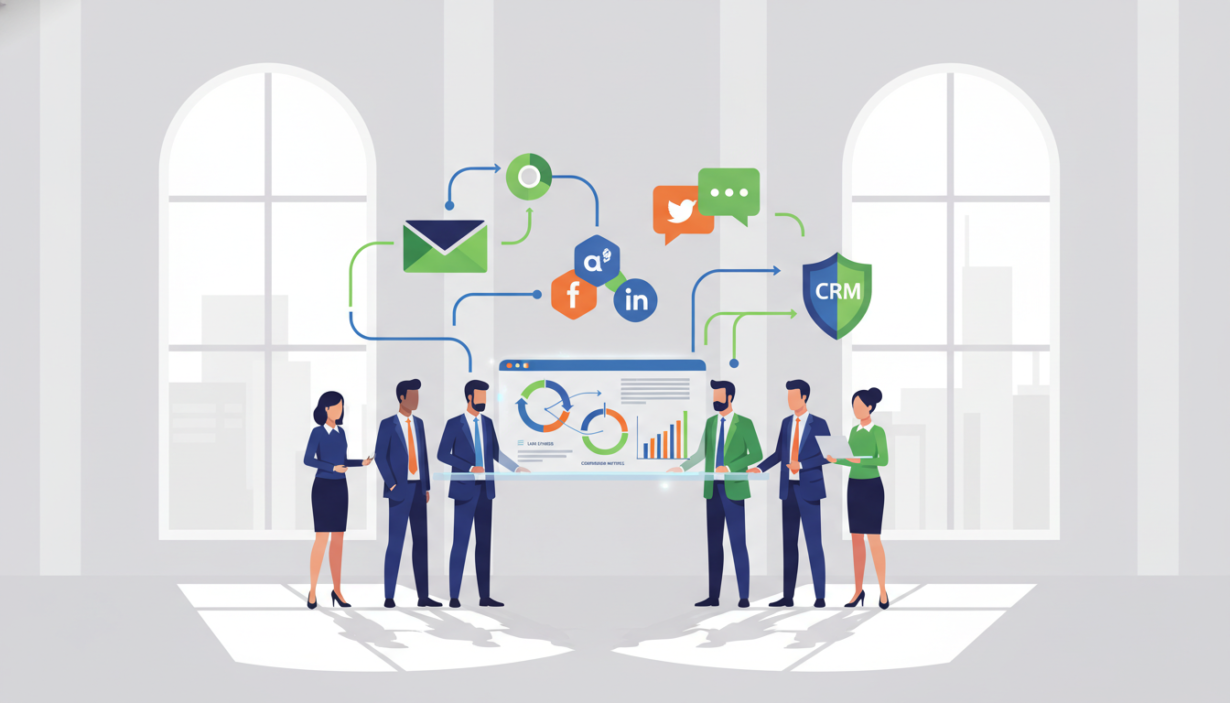
Communication now extends beyond email to include SMS, WhatsApp, and retargeting advertisements. This multi-channel approach ensures consistent engagement wherever prospects prefer to interact. Each touchpoint builds upon previous interactions.
The Role of Automation in Modern Sales
Automation enables businesses to maintain personalized communication at scale. It eliminates the need for manual intervention at every customer interaction point. This consistency helps build trust over extended decision-making periods.
The approach focuses on relationship building rather than immediate sales pressure. It recognizes that most prospects need time and information before committing. Systematic workflows deliver the right message through appropriate channels based on individual journey stages.
| Traditional Sales Approach | Automated Nurturing System |
|---|---|
| Manual follow-ups for each prospect | Automated triggers based on behavior |
| Single-channel communication (mainly email) | Multi-channel personalized messages |
| Reactive response to inquiries | Proactive engagement based on actions |
| Focus on immediate conversion | Emphasis on long-term relationship building |
| Limited personalization capabilities | Dynamic content based on demographics and behavior |
Understanding the Buyer’s Journey in Lead Nurturing
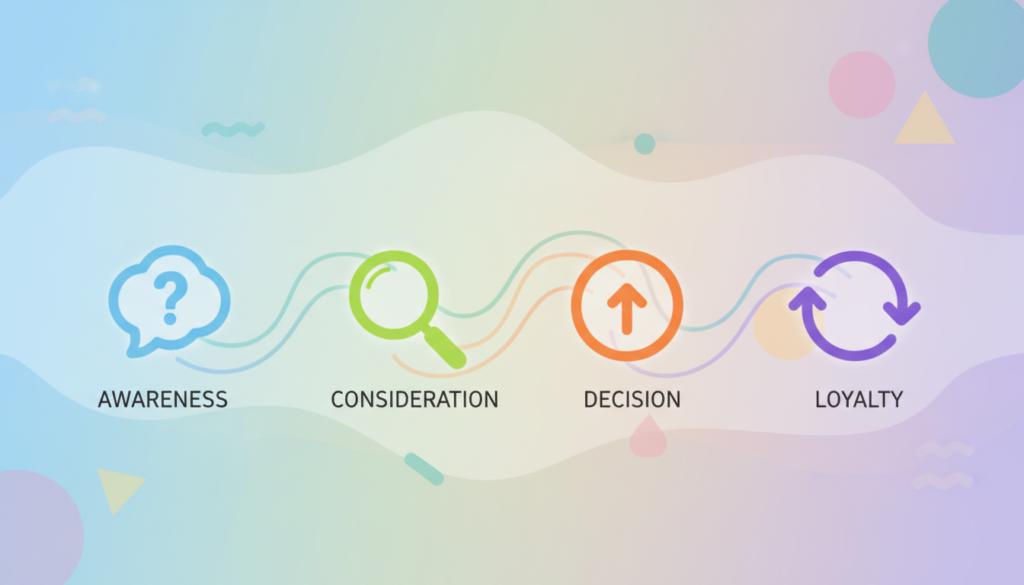
Today’s buyers navigate through distinct phases before committing to solutions. This progression forms the customer’s experience journey from initial problem recognition to final purchase.
Mapping the Stages from Awareness to Decision
The buying process contains three main stage categories. Each represents different customer needs and information requirements.
In the Awareness stage, people identify challenges and seek educational content. They explore potential solutions without immediate purchase intent.
The Consideration phase involves evaluating alternatives. Prospects compare options and assess different approaches to their problems.
The final Decision stage sees narrowed options. Customers need specific implementation details and pricing information.
Identifying Key Touchpoints Along the Funnel
Critical interaction points occur throughout the sales funnel. These points indicate prospect behavior and level of interest.
Effective engagement requires recognizing these signals. Different content types match each journey phase for optimal engagement.
| Journey Stage | Appropriate Content | Primary Focus |
|---|---|---|
| Awareness | Blog posts, educational videos | Problem identification |
| Consideration | Comparison guides, case studies | Solution evaluation |
| Decision | Product demos, pricing details | Implementation planning |
Understanding this complete journey helps create targeted communication strategies. It ensures prospects receive relevant information at each progression stage.
Benefits of Effective Lead Nurturing Workflows
Organizations that master relationship-building automation witness transformative changes in their conversion outcomes. These systems deliver measurable advantages that extend across sales performance and operational efficiency.
Boosting Conversions and Shortening Sales Cycles
Strategic engagement sequences produce remarkable results. Companies excel at these processes generate 50% more sales-ready leads at 33% lower costs.
These systems accelerate decision-making by providing timely, relevant content. They address prospect questions systematically without aggressive sales pressure.
Conversion rates improve significantly through consistent value demonstration. Trust builds gradually, positioning brands as natural choices when purchase decisions occur.
The approach creates lasting customer relationships beyond immediate transactions. It identifies genuinely interested prospects, allowing sales teams to focus efforts efficiently.
Businesses maximize marketing investment returns by converting existing leads. This strategy maintains engagement throughout extended buying cycles, creating competitive advantage. For comprehensive guidance, explore these effective lead nurturing workflows.
Operational efficiency gains include automated qualification of potential customers. This saves time and resources while driving sustainable business growth.
Building a Successful Lead Nurturing Workflow
Developing a systematic approach to prospect relationships begins with understanding your audience deeply. This foundation ensures every communication feels relevant and valuable.
Implementing a Step-by-Step Guide
The process starts with detailed buyer persona creation. Companies analyze demographics, pain points, and goals through surveys and interviews.
Next, mapping the customer journey identifies critical transition points. This visualization helps place appropriate content at each stage.
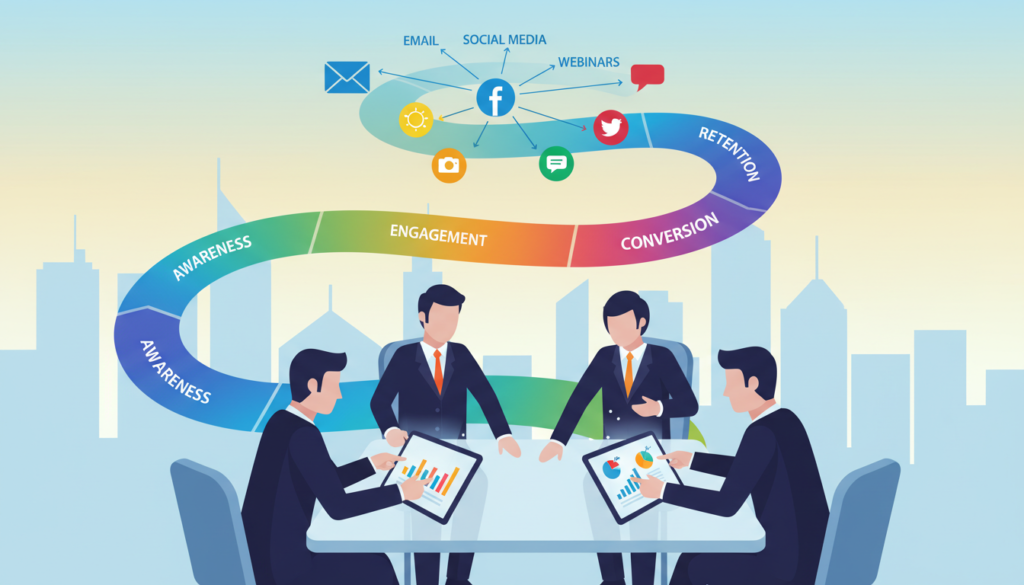
A comprehensive plan matches content types to journey phases. Educational materials suit early stages, while case studies work for consideration.
| Implementation Step | Key Actions |
|---|---|
| Define Buyer Personas | Research demographics, segment audiences, identify pain points |
| Map Customer Journey | Visualize awareness to decision stages, identify touchpoints |
| Create Content Plan | Match blog posts, videos, case studies to appropriate stages |
| Select Channels | Choose email, social media, automation based on persona preferences |
| Set Up Automation | Configure triggers, sequence emails, track progress |
| Test and Optimize | Conduct A/B testing, refine approaches using performance data |
Integrating Personalized Communication
Personalization transforms generic engagement into meaningful conversations. It shows genuine interest in each prospect’s specific needs.
The marketing team must coordinate with sales for seamless handoffs. This ensures prospects receive consistent messaging throughout their journey. For advanced automation strategies, explore this fully automated funnel guide.
Continuous optimization through testing maintains effectiveness. Regular refinement keeps the nurturing workflow aligned with evolving customer expectations.
Leveraging “lead nurturing workflows” for Strategic Growth
Intelligent automation systems now enable businesses to quantify prospect engagement through sophisticated scoring mechanisms. This approach transforms subjective assessments into data-driven decisions.
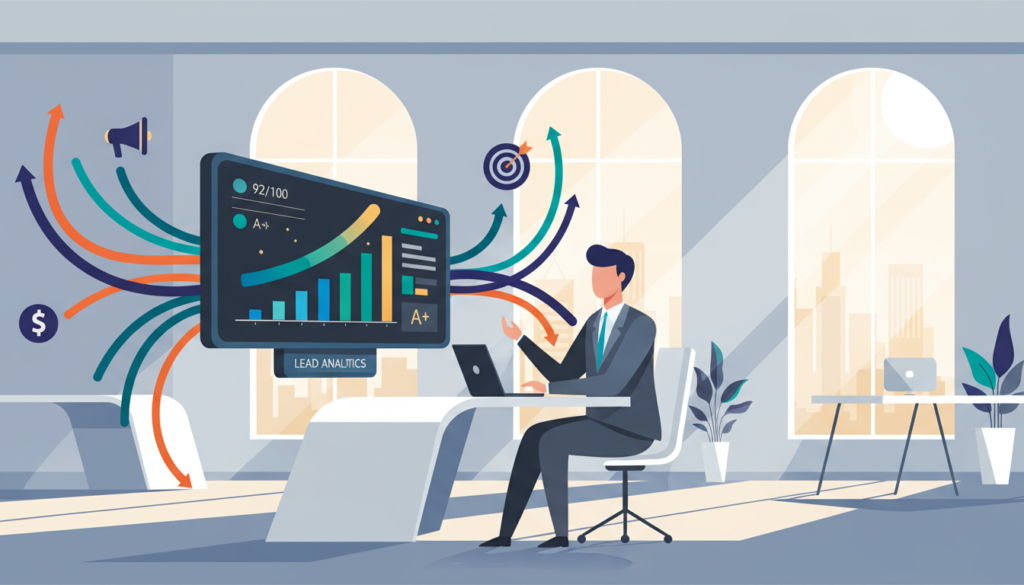
Automating Engagement and Lead Scoring
Scoring systems assign numerical values based on prospect actions and characteristics. Each interaction contributes points that indicate buying readiness.
Positive behaviors increase scores significantly. High-intent actions like pricing page visits or demo requests receive substantial point values. These signals help identify prospects ready for sales conversations.
Negative scoring factors track declining interest. Unsubscribes or extended inactivity reduce scores automatically. This helps focus resources on engaged prospects.
| Prospect Action | Point Value | Intent Level |
|---|---|---|
| Email Open | +5 points | Low |
| Whitepaper Download | +10 points | Medium |
| Webinar Attendance | +15 points | High |
| Pricing Page Visit | +20 points | Very High |
| Demo Request | +20 points | Sales Ready |
Threshold triggers automate prospect handoff to sales teams. When scores reach predetermined levels, the system flags qualified leads. This ensures timely follow-up during peak interest periods.
Behavioral automation creates dynamic response pathways. The system adapts communication based on real-time engagement data. This approach scales personalized attention efficiently.
Essential Tools and Technologies in Marketing Automation
Modern marketing automation tools transform how businesses connect with potential customers across multiple channels. These platforms create systematic approaches that respond to prospect behavior automatically.
Leading solutions like HubSpot, Marketo, and ActiveCampaign provide comprehensive functionality. They handle everything from email sequences to complex multi-channel campaigns.
Utilizing Email, SMS, and Retargeting Ads
Trigger-based systems automatically send messages when users take specific actions. These triggers include downloading content or visiting pricing pages on your website.
Behavior tracking monitors engagement across all touchpoints. The technology builds complete profiles that inform personalized communication timing.
Multi-channel integration ensures consistent messaging everywhere. Platforms combine email, SMS, and retargeting ads for unified customer experiences.
- CRM synchronization shares data between marketing and sales teams
- UTM parameters track campaign performance accurately
- AI features predict optimal send times and content recommendations
These automation tools scale personalized attention efficiently. They help businesses implement sophisticated AI-powered marketing solutions without manual effort.
Proper implementation requires considering integration capabilities and user interface complexity. The right tools create seamless automation that drives growth.
Best Practices and Common Challenges in Lead Nurturing
Implementing effective prospect engagement systems requires balancing automation with human connection. Companies face practical hurdles when scaling their communication strategies.
Successful campaigns avoid overwhelming prospects with excessive messages. They test subject lines and sending times to optimize engagement rates. Businesses should track conversion metrics rather than superficial opens.
Maintaining a Consistent Brand Voice
All communication channels must reflect the same brand personality. This consistency builds recognition and trust over time. Marketing teams should document voice guidelines for reference.
Personalization enhances relevance without sacrificing brand identity. Dynamic content and merge tags create individualized experiences. Multi-channel integration ensures cohesive messaging everywhere.
Aligning Sales and Marketing Efforts
Disconnected teams create inconsistent prospect experiences. Regular meetings ensure both groups share common goals. Data synchronization between systems prevents duplication.
Proper CRM solutions help bridge departmental gaps. They provide shared visibility into prospect interactions. This alignment improves conversion rates significantly.
Businesses must address data accuracy challenges for effective segmentation. Clean databases enable targeted actions based on prospect behavior. Continuous optimization maintains campaign effectiveness.
Content Strategies for Each Stage of the Buyer’s Journey
Different buying stages require distinct content approaches to maintain engagement and build trust. Companies must deliver appropriate materials matching prospect needs throughout their exploration process.
Effective planning ensures prospects receive relevant information at each progression point. This systematic approach guides potential customers toward confident decisions.
Educational Content for Early Engagement
The awareness stage focuses on problem identification and education. Prospects seek general information about challenges they face.
Blog posts, infographics, and educational videos work well here. For example, someone searching “how to improve email marketing” receives a beginner’s guide. This content introduces your brand as a helpful resource.
Industry reports and social media content also serve early-stage needs. They build credibility without sales pressure.
Case Studies and Demo Offers for Conversions
The consideration stage involves solution comparison. Prospects evaluate alternatives and narrow options.
Webinars, product comparison guides, and case studies address analytical needs. A lead who downloaded an email guide might receive a case study showing 30% conversion improvement.
The decision stage requires specific implementation details. Testimonials, product demos, and free trials help finalize choices. Webinar attendees often respond well to exclusive trial offers.
| Journey Stage | Content Types | Primary Objective |
|---|---|---|
| Awareness | Blog posts, educational videos, infographics | Problem education and brand introduction |
| Consideration | Case studies, webinars, comparison guides | Solution evaluation and alternative analysis |
| Decision | Product demos, free trials, pricing pages | Purchase encouragement and risk reduction |
Welcome campaigns create positive first impressions with friendly messaging. Educational drip campaigns maintain engagement over time. Free trial offers allow prospects to experience value directly, reducing perceived risk.
Businesses should align content with specific pain points identified through behavioral data. This relevance maintains attention throughout extended buying cycles. Implementing a fully automated funnel streamlines this content delivery process.
Conclusion
Sustainable business growth emerges from thoughtful engagement strategies that transform prospects into loyal customers. The most effective approach prioritizes quality connections over quantity metrics.
Companies should begin with a single, well-defined process rather than attempting comprehensive implementation immediately. This focused start allows for refinement before expansion.
The true power lies in building genuine relationships through personalized communication. This philosophy creates lasting value beyond immediate transactions.
Continuous optimization through testing and measurement ensures ongoing effectiveness. Businesses that master this approach gain significant competitive advantages.
Any organization can implement these strategies to improve conversion rates and accelerate growth. The journey starts with selecting one workflow and systematically building from there.
FAQs
What is lead nurturing and why is it important for modern businesses?
Lead nurturing is a structured marketing automation process that builds relationships with potential customers over time using personalized email, content, and multichannel workflows. It is important because most leads are not ready to buy immediately, and nurturing keeps them engaged until they are prepared to convert.
How does a lead nurturing workflow improve conversion rates?
A lead nurturing workflow delivers relevant messages at the right stage of the buyer’s journey using automated email, SMS, and retargeting sequences. This ensures consistent engagement, builds trust, and moves leads through awareness, consideration, and decision stages more efficiently—resulting in higher conversion rates.
What is lead scoring and how does it work in marketing automation?
Lead scoring assigns points to each lead based on actions such as email opens, content downloads, website visits, and demo requests. Marketing automation platforms use these scores to identify high-intent prospects and automatically route sales-ready leads to the sales team for timely follow-up.
How do segmentation and nurturing workflows work together?
Segmentation groups leads based on behavior, interests, demographics, or funnel stage. A nurturing workflow then delivers personalized email and multichannel messages to each segment, ensuring that leads receive content that matches their needs and buying readiness.