




Do businesses use the right accounting strategies for growth and following rules? In accounting, two key areas exist: financial accounting and management accounting. They are different, mainly in who they serve and the rules they follow.
Financial accounting gives outsiders a clear view of a company’s money situation. It sticks to strict rules and standards. Management accounting, on the other hand, helps businesses make smart choices by analyzing and forecasting finances.
Key Takeaways
- Knowing about financial and management accounting is key for success.
- Financial accounting is all about following rules and reporting to outsiders.
- Management accounting is for making decisions and planning inside the company.
- The two areas serve different audiences and have different needs.
- Good financial management uses both financial and management accounting.
Understanding the Two Accounting Disciplines
It’s key for businesses to know the difference between financial and management accounting. Both are important for managing finances and planning strategies. They serve different needs and talk to different groups.
The Accounting Landscape
The world of accounting is wide, with many rules and practices. Financial accounting and management accounting are two main areas. They have their own goals and roles.
Defining Financial Accounting
Financial accounting deals with making financial reports. These reports show a company’s financial health and performance. They include balance sheets, income statements, and cash flow statements that reflect the financial position of the company.
These reports are clear and follow rules. They help investors, creditors, and others understand a company’s finances.
Defining Management Accounting
Management accounting looks at a company’s inner workings. It gives managers the info they need to make smart choices. This includes budgeting, forecasting, and checking how well things are going in both financial and managerial contexts.
It helps with making plans and improving financial processes. This way, businesses can use their resources better and reach their goals.
The Difference Between Financial Accounting and Management Accounting
Financial accounting and management accounting have different roles in a company. They impact how a business reports its finances and makes decisions. Each type of accounting has its own goals, audience, and reporting needs.
Core Purpose and Focus
Financial accounting gives outsiders a clear picture of a company’s financial health. It follows rules like GAAP or IFRS for consistency. Management accounting, on the other hand, helps managers make decisions by providing them with the right information.
Financial accounting reports on past financial data for outsiders. Management accounting looks to the future, helping guide business choices.
Target Audience and Users
Financial accounting is for outsiders like investors and regulators. They need to know a company’s financial state. Management accounting is for insiders, like managers, who need to make decisions.
Financial accounting looks back, while management accounting looks ahead. It helps with planning and controlling operations.
Reporting Requirements and Formats
Financial accounting must follow strict rules and standards. It prepares detailed financial statements. Management accounting reports are more flexible, made for the company’s needs.
Financial reports are usually quarterly or yearly. Management reports can be made as often as needed. They can range from detailed budgets to strategic overviews.
Objectives and Functions of Financial Accounting
Financial accounting is all about showing how well a company is doing financially. It’s a key part of running a business. It gives important info to people who care about the company’s money matters.
Recording Financial Transactions
Recording money stuff is a big job for financial accounting. It tracks every money event, like money coming in or going out. Getting it right is key for trustworthy financial info. They use rules like GAAP or IFRS to keep it all straight.
Preparing Financial Statements
Financial accounting also makes important money reports. These include the Balance Sheet, Income Statement, and Cash Flow Statement. These reports show how a company is doing financially over time. They help investors, lenders, and others make smart choices.
Compliance with Regulatory Standards
Following rules is another big part of financial accounting, ensuring compliance with standards. It means sticking to rules from places like the FASB or IASB. It keeps financial reports fair and easy to compare for both external stakeholders and internal management. Companies also get checked by auditors to make sure they’re following the rules.
By doing these things, financial accounting gives a clear picture of a company’s money history. It helps everyone understand where the company stands now and where it might go in the future.
Objectives and Functions of Management Accounting
Management accounting is key for making decisions inside companies. It uses tools and techniques to offer insights that shape business strategies.
The main tasks of management accounting cover several areas. Supporting internal decision-making is the top priority. It helps managers make smart choices for the company’s future.
Supporting Internal Decision-Making
Management accounting aids in decision-making by analyzing finances and forecasting. It includes:
- Looking at financial data to spot trends and patterns.
- Creating reports that show important financial numbers.
- Building financial models to guess future results.
These steps help managers grasp the financial side of their choices, ensuring they’re well-informed.
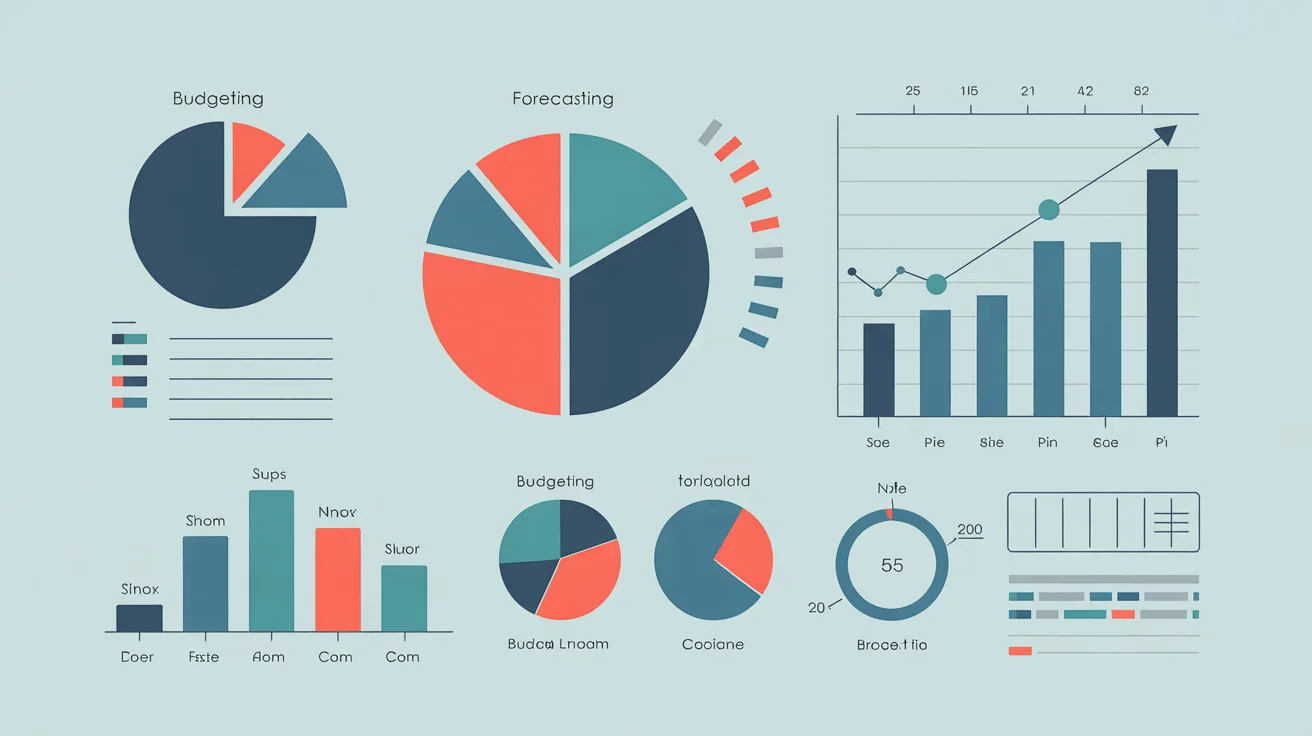
Budgeting and Forecasting
Budgeting and forecasting are also key in management accounting. This means:
- Creating detailed budgets that show expected income and expenses.
- Forecasting future finances based on past data and market trends.
- Keeping budgets and forecasts up-to-date with business changes.
Good budgeting and forecasting help businesses plan ahead, use resources wisely, and adapt to market shifts.
Performance Evaluation and Control
Management accounting also focuses on performance evaluation and control. This includes:
- Setting up performance metrics to gauge success.
- Tracking actual performance against these metrics is crucial for both financial performance and managerial accounting.
- Looking at differences to find ways to improve.
By checking performance and controlling processes, businesses can improve operations, cut costs, and boost profits.
In short, management accounting is vital for any company’s success. It gives the financial insights and tools needed for smart decisions, planning, and improving performance within financial management.
Timing and Frequency of Reporting
Timing and frequency are key differences between financial accounting and managerial accounting. Financial accounting focuses on past financial data. Management accounting looks at both past and future data to help make decisions.
Historical Focus of Financial Accounting
Financial accounting reports are made every quarter or year. They show how well a company has done in the past. This is because rules like GAAP or IFRS require these reports.
Financial statements, like the balance sheet and income statement, give a picture of a company’s financial health at a certain time or over a period. These reports are great for looking back but not so useful for making quick decisions.
Forward-Looking Nature of Management Accounting
Managerial accounting looks ahead, using forecasts and budgets to help make informed decisions. Reports are made more often, like weekly or monthly. This keeps management up to date on the company’s finances and future.
Being able to report often helps management accountants react fast to business changes. They provide timely insights for strategic decisions. This forward-thinking is key for planning and checking how different parts of the business are doing.
Reporting Cycles and Deadlines
Financial and management accounting have different reporting cycles and deadlines. Financial accounting has strict rules for reporting. Management accounting reports are based on what internal stakeholders need.
| Reporting Aspect | Financial Accounting | Management Accounting |
|---|---|---|
| Reporting frequency is important in both financial and managerial accounting contexts. | Quarterly, Annually | Monthly, Weekly, As needed |
| Focus | Historical | Forward-looking |
| Regulatory Influence | High | Low |
Financial managers play a big role in both areas. They make sure reports are ready and use data to guide strategy. A good financial management book can teach a lot about their job.
Regulatory Framework and Standards
It’s key to know the rules that guide financial and management accounting. Financial accounting follows strict rules for clear and fair reports. This makes sure reports are easy to compare.
GAAP and IFRS in Financial Accounting
Financial accounting uses Generally Accepted Accounting Principles (GAAP) and International Financial Reporting Standards (IFRS). These rules tell us how to record and report financial information and money matters. GAAP is mainly for the U.S, while IFRS is used globally. Following these rules helps make sure financial reports are fair and easy to compare.
Here’s a table showing some differences between GAAP and IFRS:
| Criteria | GAAP | IFRS |
|---|---|---|
| Revenue Recognition | Rules-based approach | Principles-based approach |
| Cost accounting is essential for understanding Inventory Valuation. | Primarily uses FIFO or LIFO | Primarily uses FIFO; LIFO not allowed |
| Development Costs | Generally expensed as incurred | Can be capitalized if certain criteria are met |
Flexibility in Management Accounting Practices
Management accounting is different. It doesn’t have strict rules like GAAP or IFRS. Instead, it’s flexible and helps with internal decisions. This lets management accountants focus on what’s best for the company.

Compliance Requirements and Auditing
Financial accounting must meet strict rules and go through audits. Auditors check if reports follow GAAP or IFRS. This makes sure reports are trustworthy. Management accounting doesn’t need audits because it’s for internal use.
Financial management is vital for following these rules. It shows how important it is for a company’s success and control.
Information Characteristics and Precision
Financial and management accounting deal with different types of information. This information is shaped by each field’s goals and what users need.
Accuracy and Verification in Financial Accounting
Financial accounting values accurate and verified data a lot. This is because outsiders like investors and creditors use this info to decide on the company. So, financial accounting makes sure the data is precise and reliable, often checked through audits.
For capital structure in financial management, having accurate reports is key. It shows the company’s financial health and ability to pay debts. This helps outsiders make smart choices about investing or lending.
Relevance and Timeliness in Management Accounting
Management accounting focuses on info that’s relevant and timely. Managers need current data to make decisions about the company. While accuracy is important, management accounting also uses estimates and projections, which are less precise.
In international financial management, timely info is even more critical. Managers must act fast to changes in global markets and rules.
Quantitative vs. Qualitative Information
Both financial and management accounting use both quantitative and qualitative info. Financial accounting mostly uses numbers to show a company’s financial health. Managerial accounting, though, includes more qualitative info like market trends and customer feedback for strategic planning.
The mix of quantitative and qualitative info shows the different aims of financial and management accounting. Financial accounting looks back at past performance. Management accounting looks ahead, guiding future decisions.
Key Tools and Techniques in Both Accounting Types
The world of accounting uses many methods, each for its own purpose. Financial and management accounting both need tools and techniques to work with financial data.
Financial Accounting Methods
Financial accounting focuses on preparing and analyzing financial statements. These include the balance sheet, income statement, and cash flow statement. They give a full picture of a company’s finances and how it’s doing.
Financial statement analysis is key to checking a company’s health. It looks at financial ratios, trends, and how they compare to others in the industry.
- Ratio analysis
- Trend analysis
- Industry benchmarking
Management Accounting Methods
Management accounting helps with making decisions inside a company. It uses cost-volume-profit analysis, budgeting, and forecasting. These tools help managers see the financial effects of different choices and make smart decisions.
Cost-volume-profit analysis is a big help. It shows when a company breaks even and how costs, volume, and profit are connected.
- Budgeting and forecasting
- Cost-volume-profit analysis
- Variance analysis
An integrated financial management system makes both financial and management accounting better. It helps companies manage their money better and make better choices.
In short, financial and management accounting both use many tools and techniques. Knowing the difference between management accounting vs financial accounting is key to good financial management.
Practical Applications in Business
In the business world, financial and management accounting are key. They help with both external reports and internal decisions. Both are vital for a company’s financial health and strategic direction, impacting financial performance.
How Businesses Use Financial Accounting
Financial accounting is for external reports. It gives stakeholders a clear view of a company’s finances. It prepares financial statements like balance sheets and income statements, important for investors and creditors.
These statements follow standards like GAAP or IFRS. This ensures they are consistent and easy to compare. It’s essential for keeping trust with outside stakeholders.
How Businesses Use Management Accounting
Management accounting helps with internal decisions. It gives managers the info they need for making smart choices. It involves budgeting, forecasting, and checking performance, helping to use resources well and meet goals.
With management accounting, companies can understand their costs and find ways to improve. This helps them adapt to market changes and make timely decisions based on financial information.
Both financial accounting and managerial accounting are critical for success. Financial accounting looks outwards, giving a snapshot to others. Management accounting looks inwards, guiding strategy and improving operations.
Technology and the Future of Accounting
Technology is changing the world of accounting. It’s making financial reports better and helping with big decisions. New tech is making old ways of accounting faster and more reliable.
Digital Transformation in Financial Accounting
Digital changes are making financial accounting better. They automate tasks, make reports more accurate, and follow rules better. Tech like blockchain and AI is making reports easier to do.
Key benefits of digital transformation in financial accounting include:
- Automated transaction processing
- Enhanced financial reporting accuracy
- Improved compliance with accounting standards
Data Analytics in Management Accounting
Data analytics is key in management accounting. It helps businesses make smart choices with current data. Tools for advanced analytics help find ways to improve and manage risks.
The impact of data analytics on management accounting is significant, with benefits including:
- Enhanced decision-making capabilities
- Improved forecasting and budgeting
- More effective performance evaluation
Integrated Accounting Systems and Automation
Accounting systems and automation are changing the field. They make financial work smoother, cut down on mistakes, and boost efficiency. Cloud-based systems also help teams work together better.
| Feature | Traditional Accounting | Integrated Accounting Systems |
|---|---|---|
| Data Processing | Manual data entry | Automated data processing |
| Reporting | Periodic reporting | Real-time reporting |
| Collaboration | Limited collaboration | Enhanced collaboration |
In conclusion, technology is changing accounting a lot. It affects both financial and management accounting. As companies keep using new tech, accounting will keep evolving with digital changes, data analytics, and better systems.
Conclusion
Knowing the difference between financial and management accounting is key for good business management. Financial accounting gives a look back at a company’s money matters. Management accounting helps in planning for the future.
To grow wealth, businesses need to make smart decisions. They must use both financial and management accounting. This helps in making informed decisions about money.
By combining these two, companies can improve their finances and grow. As the business world changes, good accounting practices become even more important.